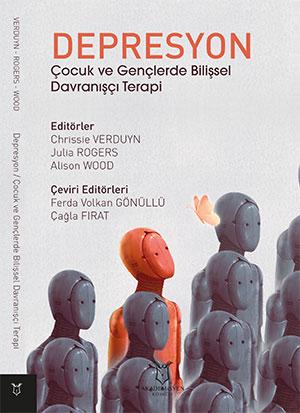
Gençlerde Depresyon
Synopsis
Depression in youth, which was considered a natural developmental part of adolescence until the 1970s, is currently defined as a clinical disorder that severely impairs individual, academic, and social functioning and can persist into adulthood. Depressed mood lasting for at least two weeks manifests through symptoms such as sadness, irritability, inability to enjoy daily activities, concentration difficulties, feelings of worthlessness, changes in appetite and sleep patterns, and suicidal ideation. Classified into mild, moderate, and severe categories according to ICD-10 and DSM-IV diagnostic systems, this condition is accompanied by comorbid conditions such as anxiety disorders, oppositional defiant disorder, conduct disorder, or substance abuse in 50% to 80% of cases. Affecting 1% to 6% of children and youth, depression is 8.5 times more likely to occur in the 11–15 age group compared to the 5–10 age group. Its etiology involves genetic predisposition, biochemical processes in brain monoamine systems, parental depression, family issues, and psycho-social as well as socio-economic factors such as peer bullying. While 10% of patients recover within 3 months and 40% within 1 year, symptoms persist for more than 2 years in 20%, and recurrence occurs within 5 years in 30% of cases. In the treatment process, youth consent and confidentiality are essential. While medication is not recommended as an initial treatment in mild cases, a combination of psychological interventions such as Cognitive Behavioral Therapy (CBT) and Fluoxetine (SSRI) treatment is recognized as the most effective method for moderate to severe depression